
Yes, peace lilies can grow outside in the UK, but only temporarily and only under the right conditions. They are tropical plants that hate cold, so the honest answer is: outdoors works from roughly late May to early September in a sheltered, warm spot, but a UK winter will kill them. If you are hoping to establish a peace lily as a permanent outdoor plant, that is not going to work in this climate. But if you want to move one outside for summer, give it a holiday on a protected patio, or experiment in a particularly warm microclimate, you absolutely can, and the plant will often reward you for it.
Can Peace Lilies Grow Outside in the UK? Practical Guide

Marcus Hendricks
24 Mar 2026
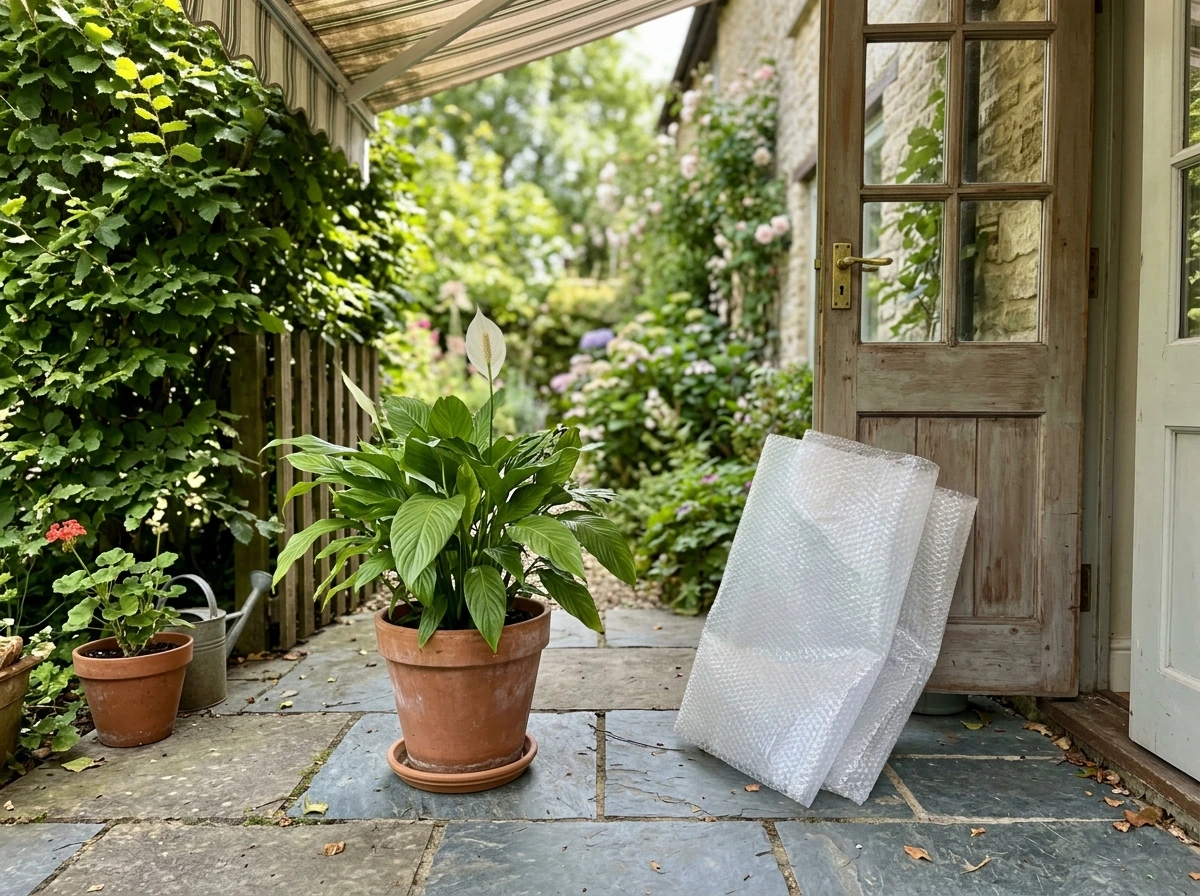
What peace lilies actually need to thrive
Peace lilies (Spathiphyllum) are native to tropical rainforests in Central and South America, and that origin explains everything about how they behave. In the wild they grow on the forest floor, where they get warm, humid air year-round, dappled shade from the canopy above, and consistently moist but free-draining soil. They never experience frost. Peace lilies (Spathiphyllum) are native to tropical rainforests in Central and South America, and that origin explains everything about how they behave. In the wild they grow on the forest floor, where they get warm, humid air year-round, dappled shade from the canopy above, and consistently moist but free-draining soil. They never experience frost. They rarely see direct sun. The temperature rarely drops below 18°C even at night. The temperature rarely drops below 18°C even at night.
In practical terms, that means peace lilies need warmth (ideally 18-24°C during the day), high humidity, indirect or filtered light, and soil that stays moist without sitting in standing water. The RHS confirms they are comfortable in average room temperatures of 12-24°C (55-75°F) and notes they should be kept away from cold draughts and hot radiators. Drop them below 10°C and they start to suffer. Freeze them and they die. Unlike daylilies or asiatic lilies, which are bred for outdoor UK conditions, peace lilies have no hardiness to speak of. can peace lily grow in low light
Where outdoor growing can actually work in the UK
The RHS lists Spathiphyllum wallisii as not hardy in typical UK outdoor conditions, so let me be direct: you are not planting these in a border and forgetting about them. What you can do is use microclimates and sheltered spots to extend their outdoor season during the warmer months.
The places where outdoor peace lilies have the best chance are south-facing sheltered patios, walled courtyards that trap heat, or a frost-free greenhouse or conservatory with the doors open in summer. Cornwall, South Devon, and parts of coastal south and southwest England have the mildest UK climate and the longest safe outdoor window. Even there, though, you are still bringing the plant back inside before October. In Scotland, Northern Ireland, or exposed northern England, the window shrinks considerably, and the risk of a cold snap catching the plant out rises sharply.
A cold greenhouse or polytunnel is actually one of the most useful options. It gives the plant outdoor-ish humidity and airflow during summer while still providing a buffer against unexpected temperature drops. If you have one of those, it genuinely extends what is possible.
Getting placement right: light, wind, and temperature limits
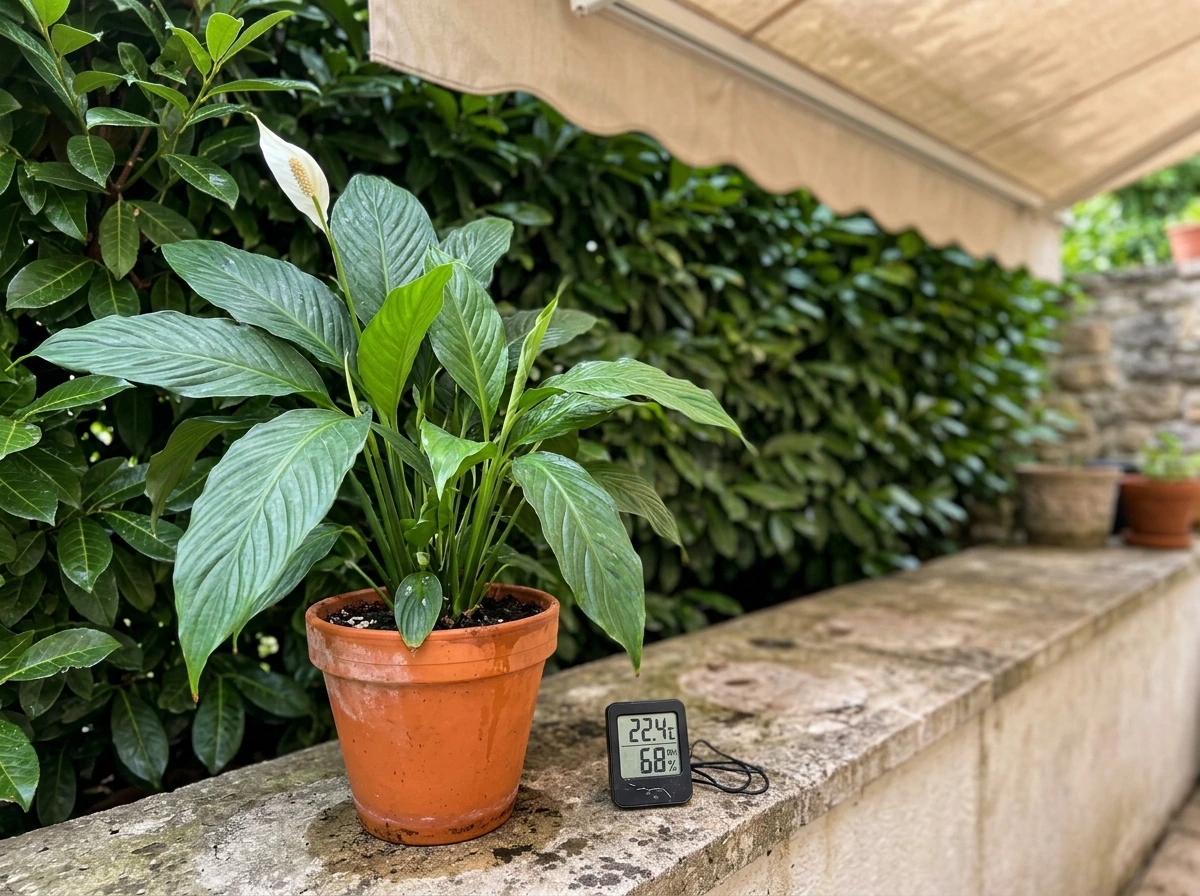
When you do move a peace lily outside, placement is everything. These plants cannot handle direct British summer sun, which might sound mild by Mediterranean standards but is still strong enough to scorch the large, dark green leaves quickly. Aim for a spot that gets bright indirect light or dappled shade: under a large tree canopy, beside a north-facing fence, or in the shadow of a garden wall during the hottest part of the day. The RHS notes that peace lilies can survive in deeper shade but will grow slowly and rarely flower, so a little indirect brightness is worth finding.
Wind is a bigger problem than most people expect. Peace lilies have broad, relatively delicate leaves that lose moisture fast in a breeze, and they come from still, humid forest environments. Even a moderate UK summer wind will cause leaf edges to brown and the plant to droop. A sheltered corner, a fence on the windward side, or a position between larger pots or shrubs all help enormously.
On temperature: the RHS is clear that peace lilies need night-time temperatures above 13°C (55°F) before you move them outdoors. Keep an eye on the forecast, not just the daytime high. UK nights in May and early June can still dip to 8-10°C even in southern England, which is already borderline. The RHS also advises bringing houseplants back indoors when night temperatures are forecast to drop below 10°C (50°F). Use that as your hard rule.
Watering and soil when growing outside
Outdoor conditions change the watering game significantly. In a pot indoors, watering every 7-10 days is typical. Outdoors in summer, especially in a warm spot, a peace lily in a container may need watering every 2-3 days, or even daily during a hot dry spell. Check the top inch of compost: if it feels dry, water thoroughly until it drains from the bottom. Never let the pot sit in a saucer of standing water, which causes root rot faster outside than in, because outdoor temperature fluctuations stress the roots more.
If the UK summer is rainy (which is entirely likely), drainage becomes the main concern. A pot with good drainage holes and a free-draining compost mix is essential. I use a blend of peat-free multipurpose compost with about 20-25% perlite or fine grit added. This keeps moisture available while preventing the waterlogging that kills peace lilies in British summer rain. If you are planting in the ground in a sheltered spot, the soil needs to be equally free-draining, enriched with organic matter to retain some moisture without becoming compacted and wet.
Peace lilies also appreciate humidity. Outdoors in a sheltered, slightly humid spot they will often look noticeably better than they do inside a centrally heated house. Grouping pots together helps raise the local humidity around the plants, which is a simple trick worth using.
Seasonal care from spring to winter
Acclimating your plant to outdoor conditions
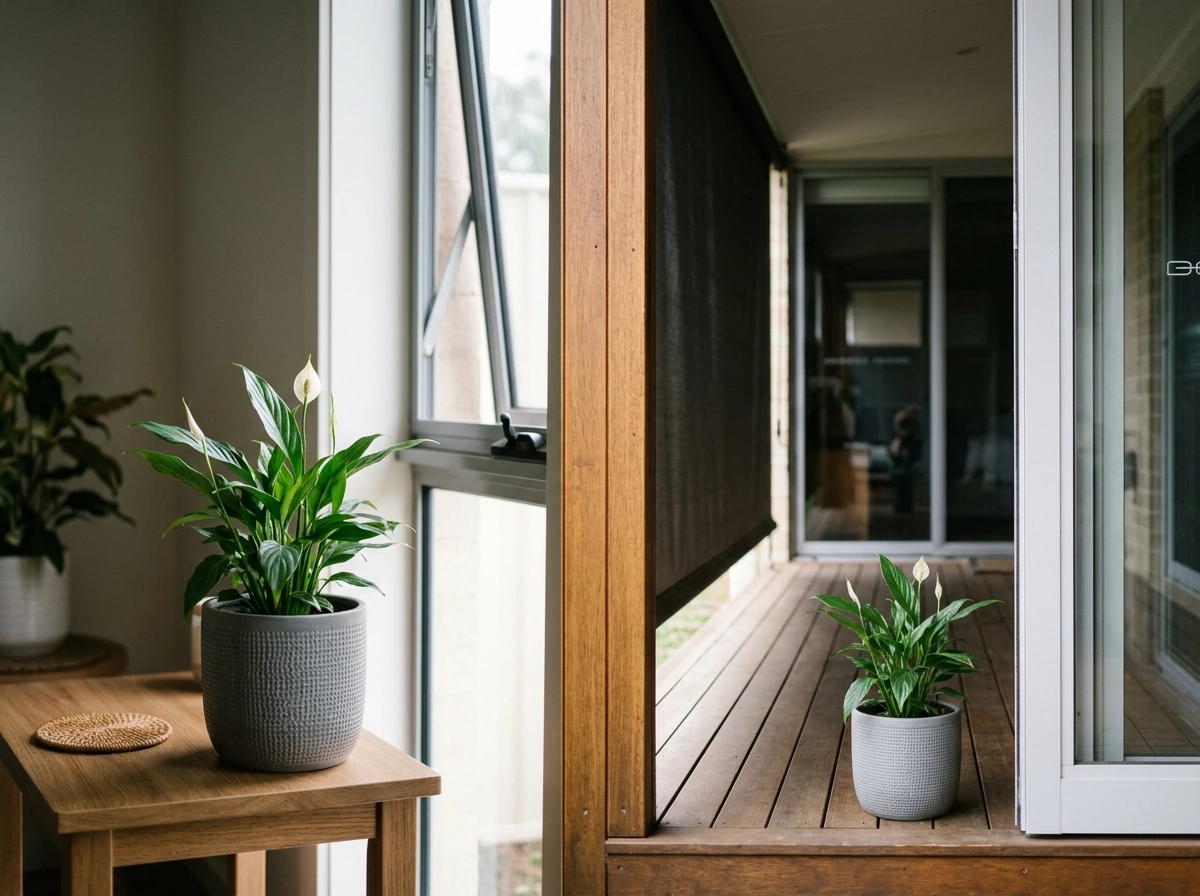
Do not move a peace lily straight from a warm living room to a breezy outdoor spot. The shock will cause drooping, browning, and stress, even on a warm day. Instead, start by putting the plant outside for a few hours each day in a very sheltered, shaded spot, then gradually increase the time over 10-14 days. This lets the plant adjust to lower humidity, air movement, and slightly different light levels. I think of it like hardening off vegetable seedlings: slow and steady prevents a lot of unnecessary damage.
Summer care (June to August)
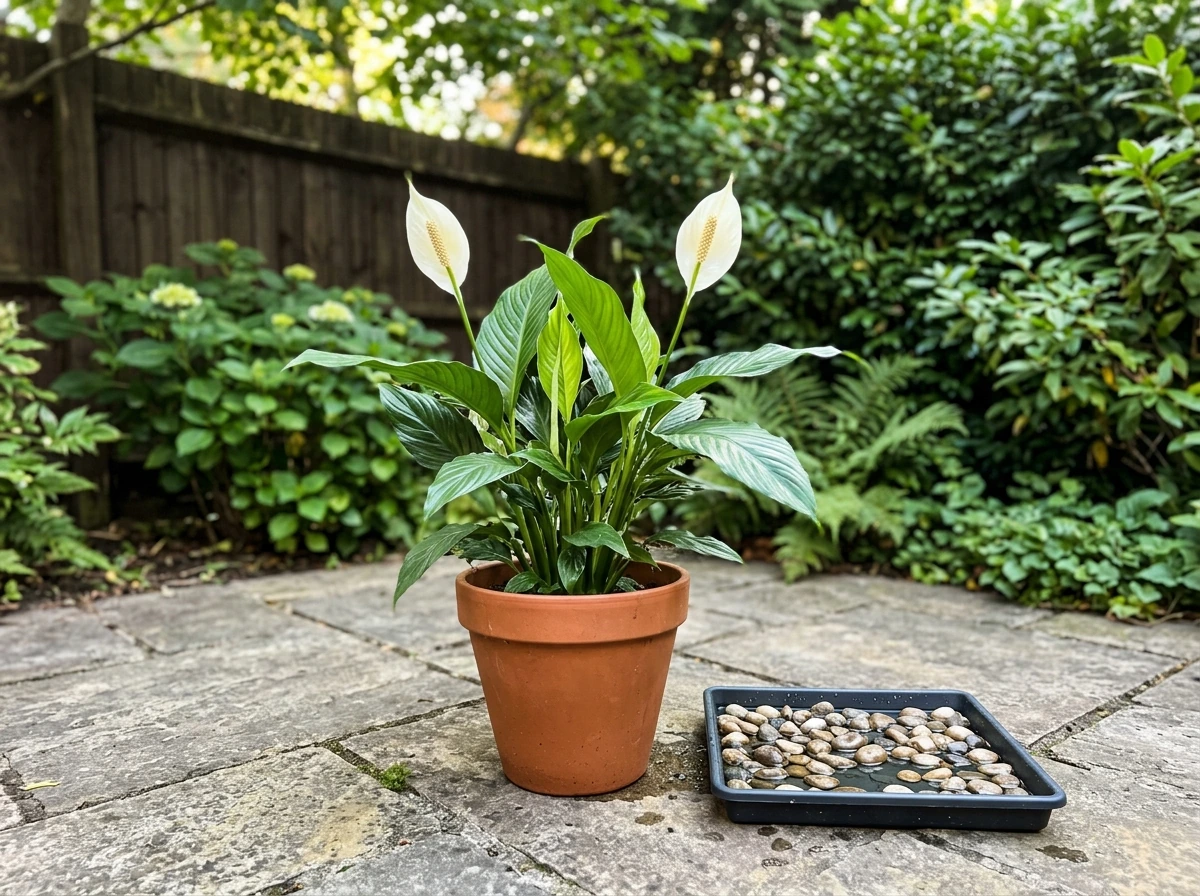
Once settled outdoors, peace lilies in a good spot can actually flourish during British summer. The combination of natural humidity, indirect outdoor light, and slightly warmer temperatures (in sheltered spots) often triggers better growth and more flowers than indoors. Keep watering consistently, check for pests regularly (more on that below), and feed with a balanced liquid fertiliser (or a gentle miracle grow) every 4-6 weeks to support the extra growth. Avoid high-nitrogen feeds, which push leafy growth at the expense of flowers.
Bringing them in for winter
As soon as night temperatures in your area are forecast to approach 10°C, bring the peace lily back inside. In most of England, that means early to mid-September. In Scotland or exposed northern regions, it could be late August. Do not wait and see, because a single cold night below 10°C can cause lasting damage to the roots and leaves, and below 5°C the plant may not recover at all. Before bringing it in, check the pot and leaves carefully for pests, especially vine weevil grubs in the compost and spider mites on the undersides of leaves, to avoid introducing problems to your indoor plants.
If you have a frost-free greenhouse (one that stays above 10°C minimum), you can overwinter the peace lily in there rather than in the house. Cut back on watering significantly during winter, the plant is semi-dormant and wet cold compost is the fastest route to root rot. Resume normal care once temperatures rise again in spring.
Outdoor problems and how to fix them fast
| Problem | Likely cause outdoors | Quick fix |
|---|---|---|
| Drooping leaves | Wind, heat stress, or underwatering | Move to a more sheltered spot, water thoroughly, check roots are not dry or waterlogged |
| Yellow leaves | Overwatering or waterlogging from rain, or too much direct sun | Improve drainage, move out of direct sun, let compost dry slightly between waterings |
| Brown leaf tips | Low humidity, wind exposure, or cold draught | Shelter from wind, group pots together to raise humidity, check night temperatures |
| Root rot (soft, dark roots, plant collapses) | Sitting in wet compost, especially in cool wet weather | Remove from pot, cut off rotten roots, repot in fresh free-draining mix, hold back on watering |
| Vine weevil damage (notched leaf edges, plant collapsing) | Vine weevil grubs eating roots in pot compost | Check compost for cream grubs, treat with nematodes (Steinernema kraussei) in late summer |
| Spider mites (fine webbing, pale speckled leaves) | Hot dry conditions outdoors | Increase humidity, spray leaves with water, use insecticidal soap if infestation is heavy |
| Scale insects or mealybugs | Common on stressed outdoor peace lilies | Wipe off with damp cloth or cotton bud dipped in rubbing alcohol, use neem oil spray |
Yellow leaves are the most common complaint I hear from people who have moved peace lilies outside in the UK. Nine times out of ten it is overwatering combined with a wet British summer rather than any more exotic problem. The fix is almost always better drainage and a slightly more sheltered spot. If the yellowing is paired with very pale new growth, the plant may simply not be getting enough indirect light.
Should you actually grow peace lilies outside in the UK?
Here is the honest version: peace lilies are not outdoor plants in the UK. They are houseplants that can enjoy a summer holiday outside if you handle the transition carefully and bring them back in before the cold arrives. If your goal is a low-maintenance outdoor plant, look elsewhere. But if you have a sheltered patio or a greenhouse and you want to give your peace lily more light, better humidity, and a bit of fresh air during summer, it is absolutely worth doing.
Before you do anything today, check three things: the current night-time forecast for your area (must be above 13°C to move the plant out), how sheltered and shaded your intended outdoor spot is, and whether you have a clear plan for bringing the plant back inside in September. If all three check out, you are good to go. If your nights are still cold or your outdoor spot is exposed and sunny, wait a few weeks. A peace lily moved outside too early or into the wrong spot will look worse than one kept on a well-lit windowsill, and that is a waste of a perfectly good plant.
Once you have the outdoor season sorted, it is also worth thinking about the plant's year-round needs, including whether your indoor light levels in winter are sufficient or whether a grow light might help, and bathroom or another humid room Getting the full picture of what peace lilies need in every season is what separates the gardeners who keep them thriving for years from those who replace them every spring.
FAQ
Can peace lilies grow outside permanently in the UK?
Yes, but only as a temporary “holiday.” If your goal is an outdoor border year-round, peace lilies will not survive UK winters. For summer success, keep them in containers on a sheltered patio, and bring them indoors before nights consistently approach 10°C (use the forecast, not just daytime highs).
Is it better to keep a peace lily in a pot or plant it in the ground outdoors?
Planting them directly into an outdoor border is risky because they need consistently warm temperatures and free-draining but evenly moist conditions. In typical UK soils, the bigger threat is cold nights and winter wet, which can damage roots. If you try it at all, use the warmest sheltered microclimate, and still treat it as “temporary outdoors,” not permanent planting.
When is the safest time to move a peace lily outside in spring, and when should it go back in?
The main timing factor is night temperature. A practical rule is to wait until nights are reliably above about 13°C before moving them out, and bring them back when nights are forecast to drop below around 10°C. A single cold snap can cause lasting leaf and root damage, even if days stay mild.
What should I do if my peace lily gets yellow leaves after being outside?
Rain and humidity are helpful up to a point, but soggy compost is not. Use a pot with drainage holes, a free-draining compost mix, and never allow the pot to sit in a saucer. If you notice persistent yellowing plus heavy wet soil, shorten watering frequency and improve drainage rather than just adding fertilizer or moving to darker shade.
Can I move a peace lily straight from indoors to outdoors?
Yes, but avoid rushing. Start with a very sheltered, shaded spot for a few hours a day, then extend time gradually over 10 to 14 days. Sudden exposure to wind and brighter indirect light can cause drooping and browning even when the air temperature feels warm.
How do I protect a peace lily outdoors from UK summer wind?
Wind damage often shows up as crisp or browned leaf edges and a plant that droops faster than you expect. Solve it with placement, choose a corner protected by a fence, wall, or other plants, and consider moving the pot under cover during windy spells. This is usually more effective than changing watering alone.
Can peace lilies be overwintered outdoors in the UK if I have a greenhouse?
Yes. If you keep the plant in a frost-free greenhouse or conservatory where minimum temperatures stay above 10°C, you can overwinter it there. During winter, reduce watering because the plant is semi-dormant, and wet, cold compost is the quickest route to root rot.
Should I fertilize a peace lily while it is outside for summer?
Feeding is still useful, but keep it modest. Use a balanced liquid fertiliser and feed about every 4 to 6 weeks during the active outdoor period. Avoid high-nitrogen fertilisers because they encourage leaf growth at the expense of flowers, and remember that weak light outdoors can limit flowering.
What pests should I watch for when transitioning a peace lily back indoors?
If you take it outside, check it before bringing it back in because pest eggs and mites can hitchhike from the compost or leaves. Pay special attention to spider mites on the undersides of leaves and vine weevil grubs in the compost, then inspect the plant again a few days after it returns indoors to catch any lingering issues.
What if I live in northern or exposed areas, can I still grow peace lilies outside?
If you are in a cooler or more exposed part of the UK, the microclimate is the deciding factor. Choose the warmest spot you can find, south-facing and sheltered is best, or use a frost-free greenhouse. If you cannot guarantee sheltered warmth, keep the plant outdoors only for the short window with consistently warm nights.
Can I extend the outdoor season if nights are slightly below the recommended temperature?
If nighttime temperatures are borderline, you can reduce stress by keeping the plant under partial cover at night, for example a sheltered patio corner or placing the pot close to a heat-trapping wall. Still, it is not a substitute for bringing it in when nights are forecast to drop near 10°C, because one cold night can cause root and leaf damage.
Next Articles
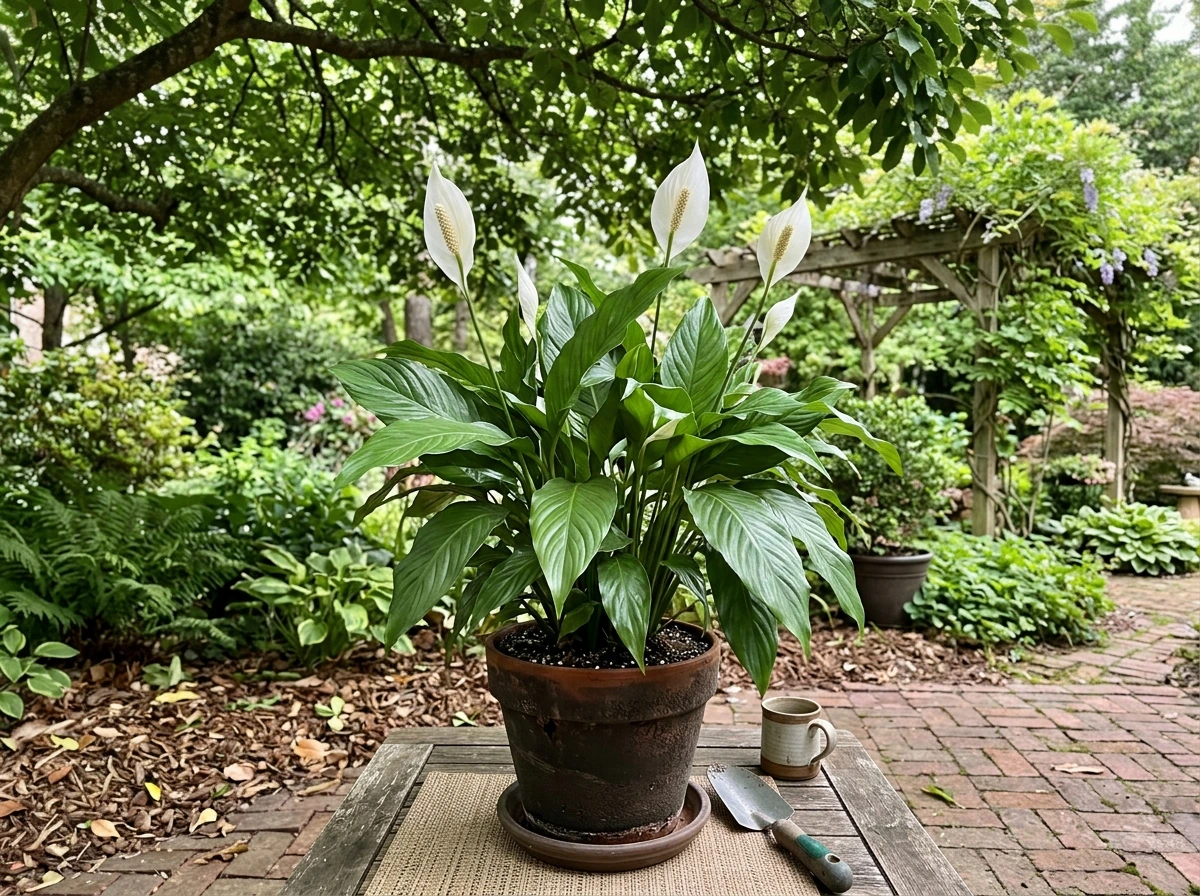
Can Peace Lily Grow Outside? Outdoor Care for Success
Learn if peace lilies can grow outside and get outdoor care tips: light, cold limits, soil, watering, and NZ guidance.
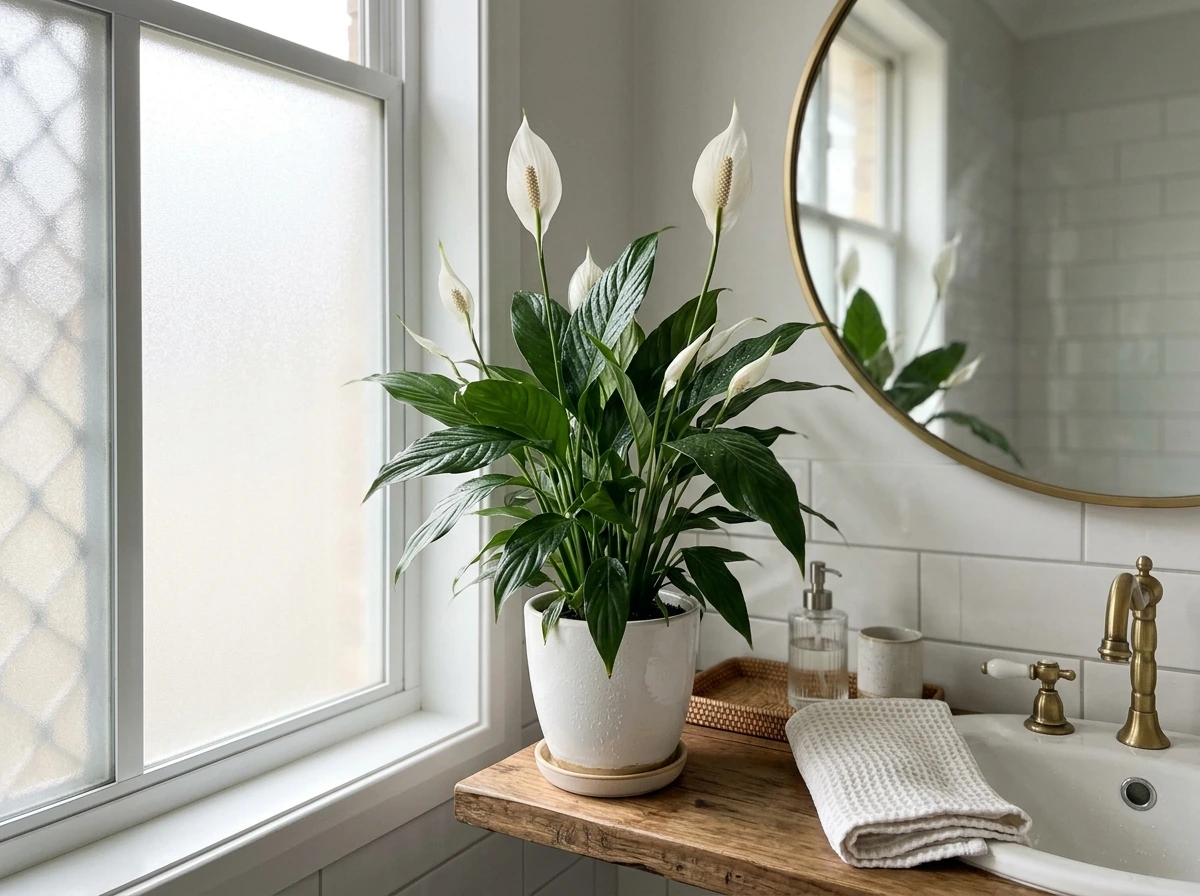
Can Peace Lily Grow in a Bathroom? Yes, If You Do This
Yes, a peace lily can thrive in a bathroom with bright indirect light, proper drainage, and careful watering to avoid ov
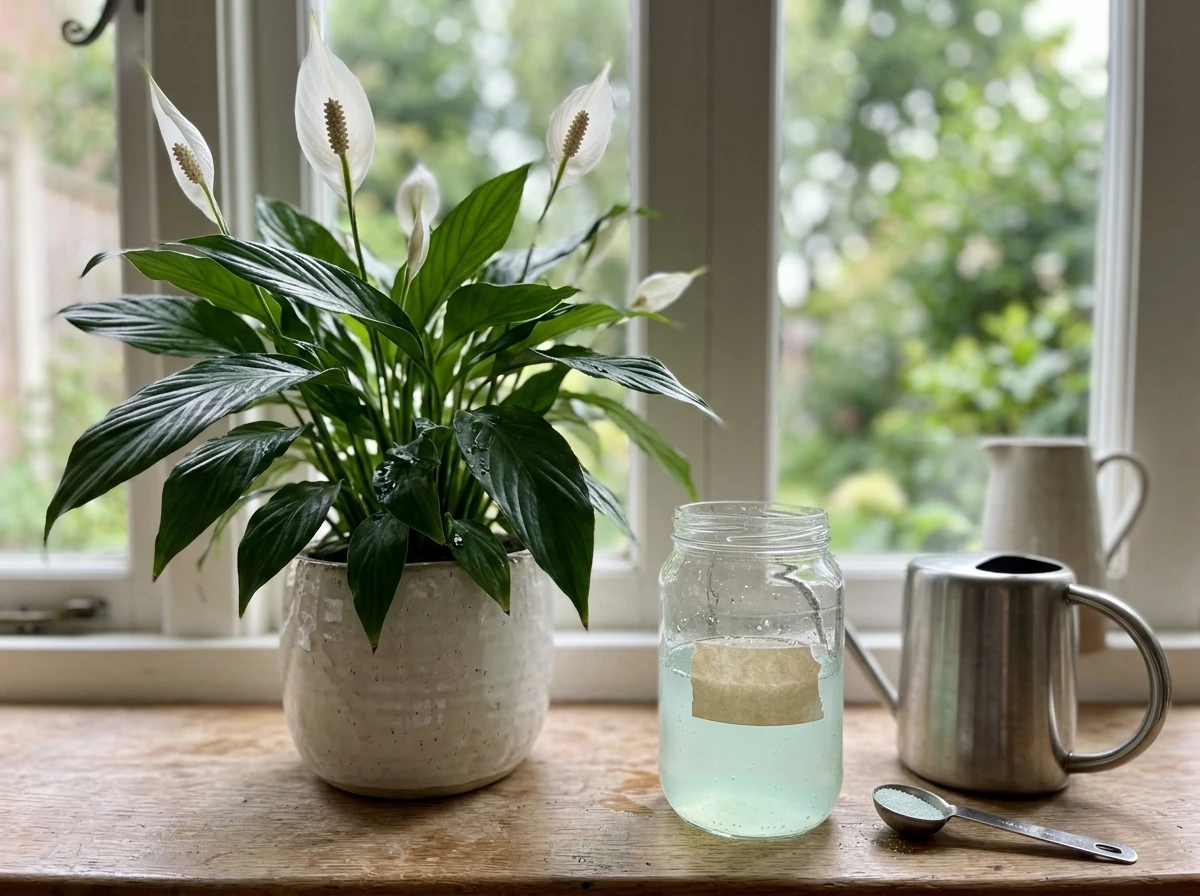
Is Miracle-Gro Good for Peace Lily? How to Feed Safely
Yes, with proper dilution and frequency. Safely fertilize peace lily, avoid burn, flush salts, and use better alternativ