
The short answer: no, a peace lily cannot grow with absolutely zero light But here's the good news, it comes closer than almost any other flowering houseplant. Peace lilies (Spathiphyllum) are genuinely one of the most low-light-tolerant plants you can own. They will survive in dim conditions that would kill most other plants. The catch is that 'surviving' and 'thriving' are two different things, and if you want blooms and healthy growth, you need to hit a real (if modest) light threshold. Let me walk you through exactly what that looks like.
Can Peace Lily Grow Without Sunlight? Light Guide and Fixes
Marcus Hendricks
24 Mar 2026
What light does a peace lily actually need?
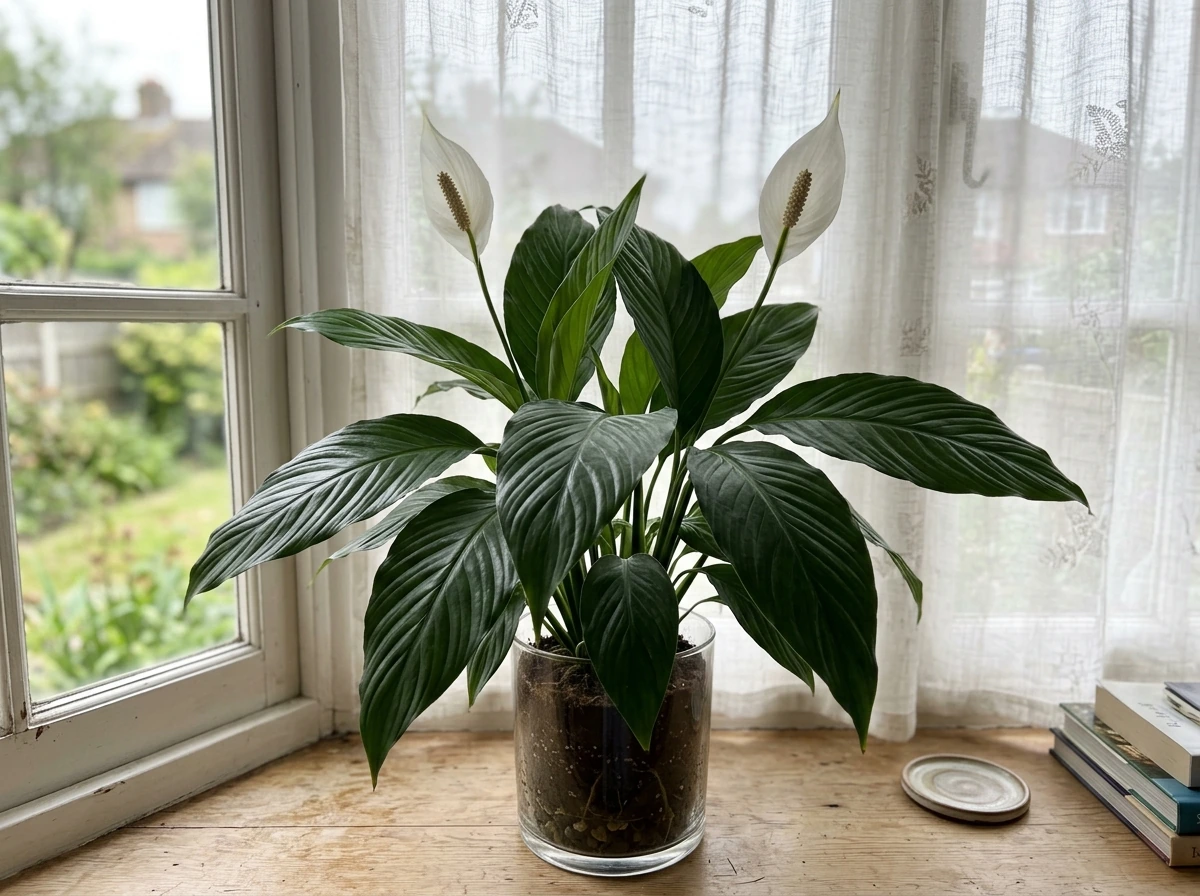
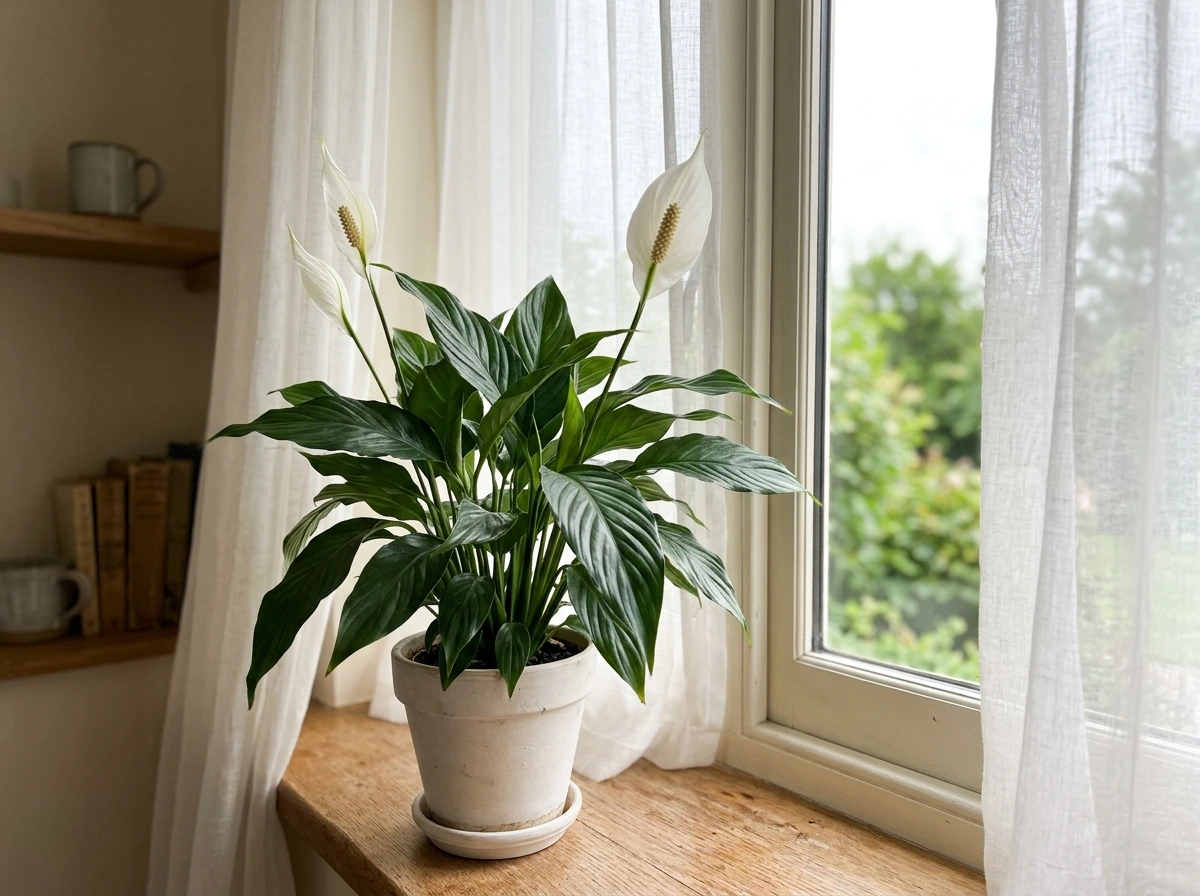
Peace lilies want bright, indirect light, no direct sun. That's the official guidance from horticulture extensions, and it matches my own experience completely. What 'bright indirect light' means in practice is a spot that feels well-lit during the day but where direct sunbeams never actually land on the leaves. Think a few feet back from a south- or east-facing window, or right next to a north-facing window that gets decent sky light.
Direct sunlight is genuinely harmful to peace lilies. Those wide, dark green leaves are designed for the dappled light of a forest floor, not intense sun exposure. If direct sun hits the leaves for more than an hour or so, you'll start seeing yellowing and scorched brown patches, and it happens fast, sometimes within a day or two of moving the plant to a sunny sill.
In terms of foot-candles (a standard measure of light intensity), peace lilies do well in medium light, roughly 100 to 500 foot-candles. That's the kind of light you'd find a few feet from a window that receives no direct rays. For blooming, you want to aim toward the higher end of that range. For basic survival, the lower end will technically keep the plant alive.
Can a peace lily survive with no sunlight at all?
Technically, a peace lily placed in [a room with no windows](/growing-peace-lilies/can-peace-lily-grow-in-low-light), lit only by standard overhead artificial lighting, will stay alive for a while. I've seen people keep them in windowless offices for months. But 'staying alive' means slow growth, no flowers, and gradually declining health over time. In very low light, a peace lily will rarely if ever bloom, growth slows to almost nothing, and the plant becomes leggy and sparse as it stretches toward any available light source.
So the honest answer is: true zero-light conditions (like a closet or a basement with no windows and no grow lights) will eventually kill a peace lily. It won't happen overnight, but the plant will steadily decline. If you want it to genuinely grow and bloom, it needs some meaningful light source, even if that's not a traditional window.
The practical threshold for 'too dark' is this: if you can't comfortably read a book in the spot during the day without turning on a lamp, it's probably too dark for a peace lily to do more than just hold on.
What 'sunlight' really means for an indoor peace lily
A lot of people get tripped up by the word 'sunlight' when it comes to indoor plants. For a peace lily, you're not looking for direct outdoor sunshine. You're looking for ambient daylight, the kind of natural light that fills a room during the day, comes through windows, and changes with the seasons. That's what the plant evolved to use.
Duration matters as much as intensity. A peace lily that gets 8 to 12 hours of moderate indirect light is going to outperform one that gets 3 hours of brighter light. In winter, when days are short and light is weaker, your plant may slow down noticeably, that's normal, but it's worth compensating for.
Grow lights are a legitimate option and work well for peace lilies in low-light situations. If you're curious about the details of using artificial lighting, that topic is covered in depth in the guide on whether peace lilies like grow lights. The short version: a full-spectrum LED grow light running 12 to 14 hours a day can fully substitute for window light and even get a peace lily to bloom in a room with no natural light at all.
Signs your peace lily isn't getting enough light
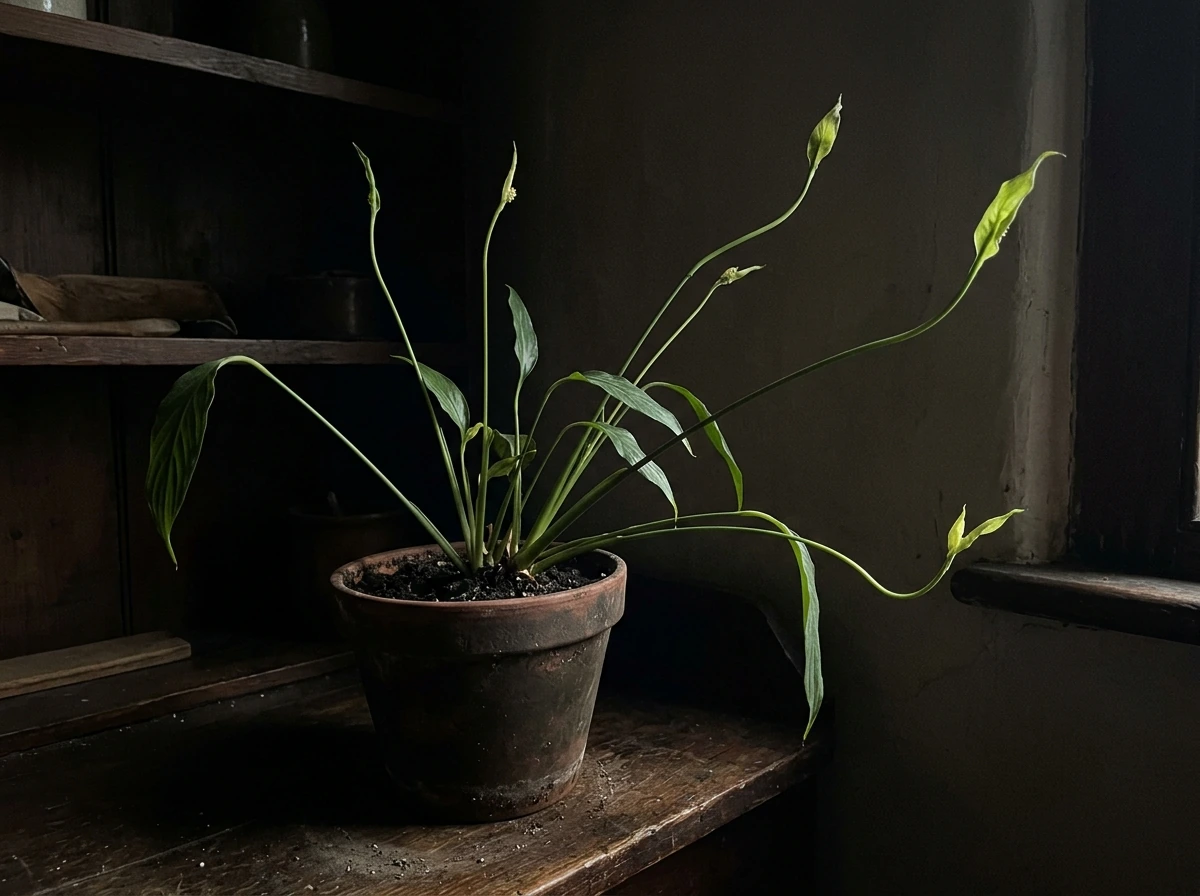
I've made the mistake of putting peace lilies in spots that looked fine to me but weren't cutting it for the plant. Here's what to watch for:
- No flowers, or flowers that stopped appearing entirely after an initial bloom
- Slow or stalled growth — new leaves rarely or never emerge
- Leggy, elongated stems reaching toward the nearest light source
- Leaves that are darker green than usual, almost unnaturally deep (the plant is producing more chlorophyll to compensate)
- Yellowing of lower leaves that isn't explained by overwatering
- Drooping that doesn't resolve after watering
The most telling sign is the absence of blooms. A healthy peace lily in adequate light should produce flowers at least once or twice a year. If yours hasn't bloomed in over a year and you haven't changed anything else, light is almost always the first thing to investigate.
Quick fixes when you spot these signs
- Move the plant closer to a window — even 2 to 3 feet can make a significant difference
- If you have sheer curtains blocking a bright window, open them during the day or swap to lighter curtains
- Place a light-colored reflective surface (white card, mirror, or light-colored wall) near the plant to bounce ambient light toward it
- Add a full-spectrum grow light if relocating isn't an option — even a modest desk-style grow light on a timer helps
- Give the plant a few weeks before judging improvement; plants adapt gradually
Adjusting the rest of your care when light is low
This is something beginners often miss: when light is low, everything else about care needs to shift too. A peace lily in low light uses water much more slowly than one in bright indirect light. If you keep watering on the same schedule, you'll end up with soggy soil, and soggy soil in low light is a fast track to root rot. Water only when the top inch of soil feels dry, and in darker conditions, that might mean watering less than half as often as you would in a brighter spot.
Fertilizing should also slow down when light is low. A plant that's barely growing doesn't need feeding. I'd hold off on fertilizer entirely if the plant is in a very dim spot, unused nutrients just build up in the soil and cause more problems. Once you improve the light situation and the plant starts actively growing again, you can resume a light feeding routine.
Humidity and temperature still matter in low-light conditions. Peace lilies prefer humidity above 40% and temperatures between 65 and 85 degrees Fahrenheit. In a dim interior room, humidity tends to be lower than near a window, so a small humidifier or a pebble tray with water under the pot can help. Keep the plant away from heating vents and air conditioning drafts regardless of light level, cold drafts stress peace lilies quickly.
The best spots to place a peace lily at home
Placement is the single biggest decision you'll make for a peace lily. Get this right and the rest of care is easy. Here's how to think through it:
| Location | Light Quality | Verdict |
|---|---|---|
| North-facing window (close, within 2 ft) | Soft, consistent indirect light all day | Great choice — ideal for peace lilies |
| East-facing window (close) | Gentle morning sun, indirect the rest of the day | Excellent — soft morning light is fine |
| South or west window (2–5 ft back) | Bright indirect light, no direct sun reaching leaves | Very good — keep back from the glass |
| South or west windowsill (direct sun) | Full direct sun for hours | Avoid — will scorch leaves |
| Interior room, overhead fluorescent lighting only | Very low, typically under 50 foot-candles | Survival only — add a grow light |
| Bathroom with frosted or small window | Low to moderate indirect | Can work — see the peace lily bathroom guide for details |
| No windows, no grow light | Effectively zero usable light | Will decline and eventually die |
In my experience, the sweet spot for most homes is a north-facing window or a spot 3 to 4 feet back from a south or west window. Those positions give you the bright indirect light the plant wants without risking sun scorch. If your home runs darker than that, a simple grow light setup on a 12-hour timer is genuinely effective and not expensive.
Bathrooms deserve a mention because they're a popular spot for peace lilies, can peace lily grow in bathroom? High humidity helps, but only if there's enough light, a small frosted window usually isn't enough on its own. If you're thinking about that option, it's worth reading through the peace lily bathroom guide for a closer look at what works and what doesn't.
One more thing: if you're in a warm climate (USDA zones 10–12), you might be wondering whether outdoor growing is an option. Peace lilies can grow outside in those zones, but the light rules are even stricter outdoors, direct sun exposure is more intense outside and will damage the plant faster. Dappled shade under a tree canopy is the target. That topic is covered more fully in the guide on growing peace lilies outside, but the indoor light principles above translate directly.
The bottom line on light for peace lilies
Peace lilies are genuinely forgiving about light in a way that few other flowering plants are. They won't die from a slightly dim spot the way a succulent would. But zero light is a real limit, no plant photosynthesizes on nothing. Aim for a bright indirect spot (no direct sun, 100–500 foot-candles, 8 or more hours of ambient light per day), watch for the warning signs of light deficiency, and adjust watering down if your plant is in a darker location. Do those three things and a peace lily is one of the easiest plants you'll ever grow indoors.
FAQ
How long can a peace lily survive in near-darkness before it starts declining?
In very low light, it often survives for months, but it rarely maintains good vigor. Expect paling leaves, slower new growth, and fewer or no flowers over time. If it has not bloomed for a full year or the plant is getting noticeably sparse, treat that as a sign light is below the threshold for healthy growth.
If my peace lily is in a windowless room, will leaving the lights on all night help?
Not usually. Peace lilies still need a dark rest period, and “all night” lighting often leads to wasted electricity and can also confuse growth cycles. A better approach is a consistent light schedule (for example 12 to 14 hours on), then a true dark period at night.
Do peace lilies respond to light from just one direction?
Yes. If light comes primarily from one side, the plant will lean and stretch toward it, becoming leggy. Rotate the pot about once a week so the leaves and stems develop more evenly, especially in low-light setups where the plant reaches for any available brightness.
Will a peace lily grow under fluorescent or LED room lighting without a grow light?
It may stay alive, but standard overhead lighting often cannot provide enough intensity for blooming. If you do not see new leaves and flowers after you move it closer to the light source or improve lighting duration, switch to a full-spectrum LED grow light rather than relying on typical office lighting.
How can I tell whether my peace lily needs more light versus less water?
Low light and overwatering can look similar because both cause poor growth and stress. Check the soil drying rate, if it stays wet for many days, you are likely watering too much for the current light. Also look for etiolation, pale new growth, and leaning stems, these point to insufficient light rather than only watering issues.
Does moving a peace lily to brighter light mean it will burn immediately?
It can, especially if the new spot includes direct sunbeams. Transition gradually over 1 to 2 weeks, increasing brightness step by step, and watch for quick yellowing or brown scorch patches within a day or two after the move.
What light level should I aim for if I want flowers specifically?
Aim toward the higher end of the plant’s workable range, not just the minimum for survival. Practically, choose a spot where the plant is in “bright room light” for most of the day, or use a grow light on a timer long enough to provide steady light during the day.
Can I place a peace lily in a bathroom with a frosted window and still get blooms?
High humidity is helpful, but frosted windows often limit usable intensity. Many peace lilies will survive there, yet blooming usually requires additional daylight from a brighter window or a grow light. If flowers do not show up seasonally, add light rather than assuming humidity alone will solve it.
Is it safe to put a peace lily under a grow light positioned close to the plant?
Close placement can work, but too much intensity too quickly can stress leaves. Start with a moderate distance and consistent daily duration, then adjust based on leaf color and new growth. If leaves become bleached or develop stress spots, increase distance or reduce the number of hours.
If my peace lily is outside in a warm climate, what “no direct sun” means in practice?
Outdoors, direct sun is stronger than indoors, so “no direct” typically means dappled shade under a tree canopy or a covered patio where sunlight never hits the leaves for long. If you see leaf scorch or rapid yellowing, relocate to a shadier spot immediately.
Next Articles
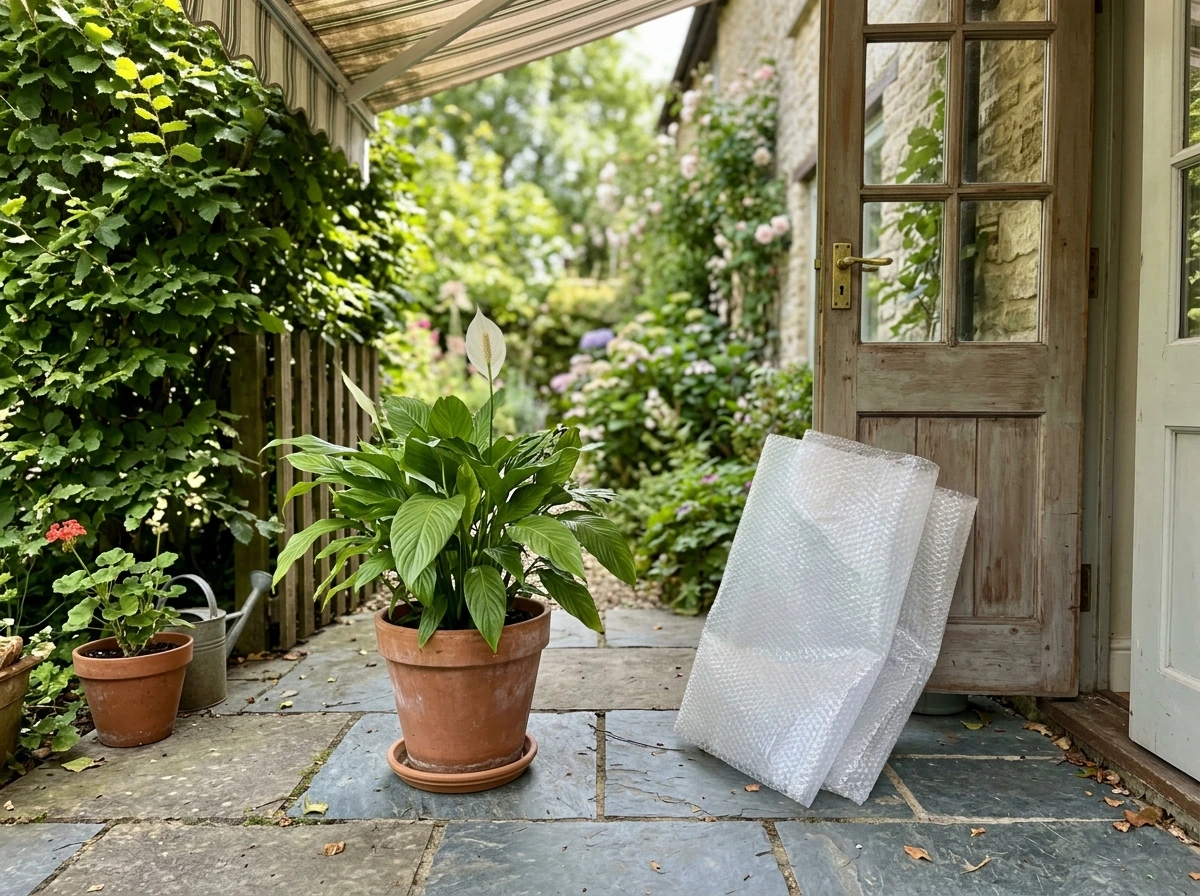
Can Peace Lilies Grow Outside in the UK? Practical Guide
See if peace lilies can grow outside in the UK, with placement, watering, summer care, and winter overwintering tips.
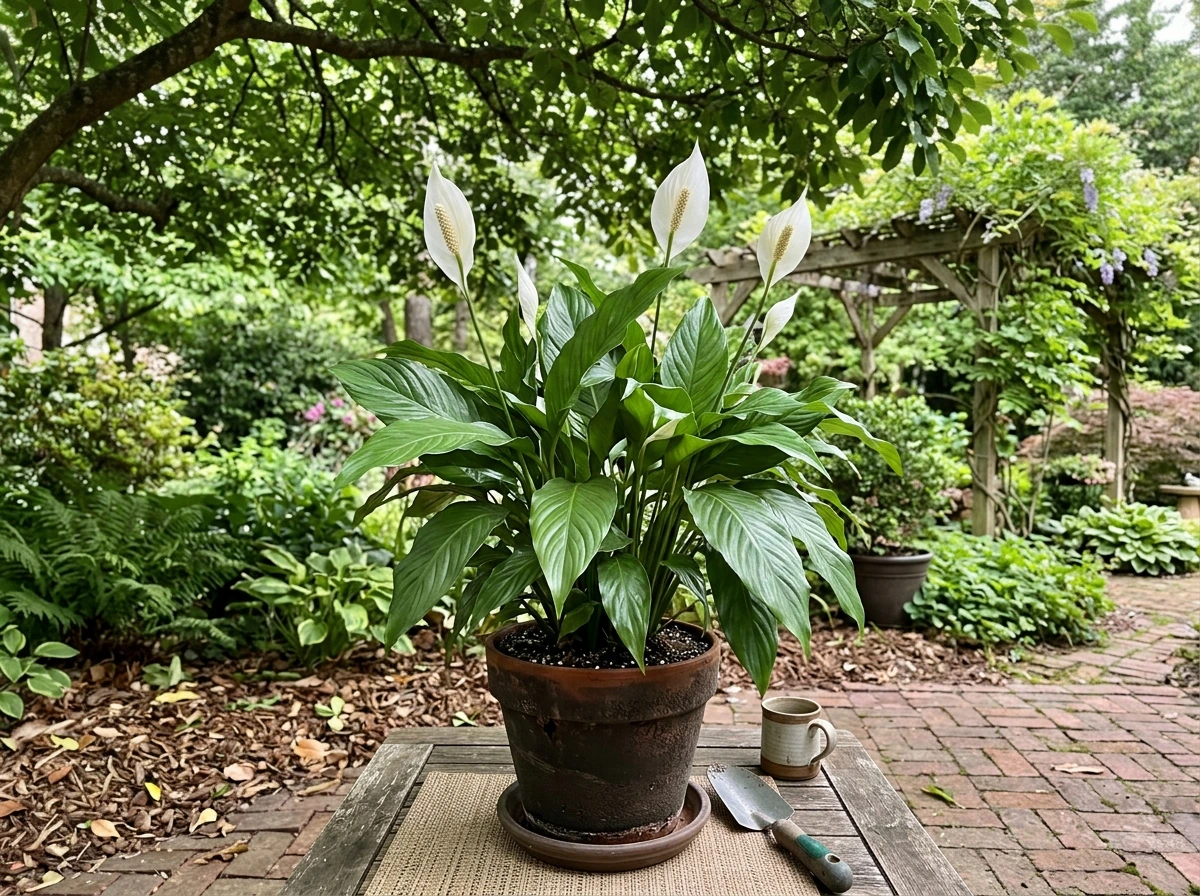
Can Peace Lily Grow Outside? Outdoor Care for Success
Learn if peace lilies can grow outside and get outdoor care tips: light, cold limits, soil, watering, and NZ guidance.
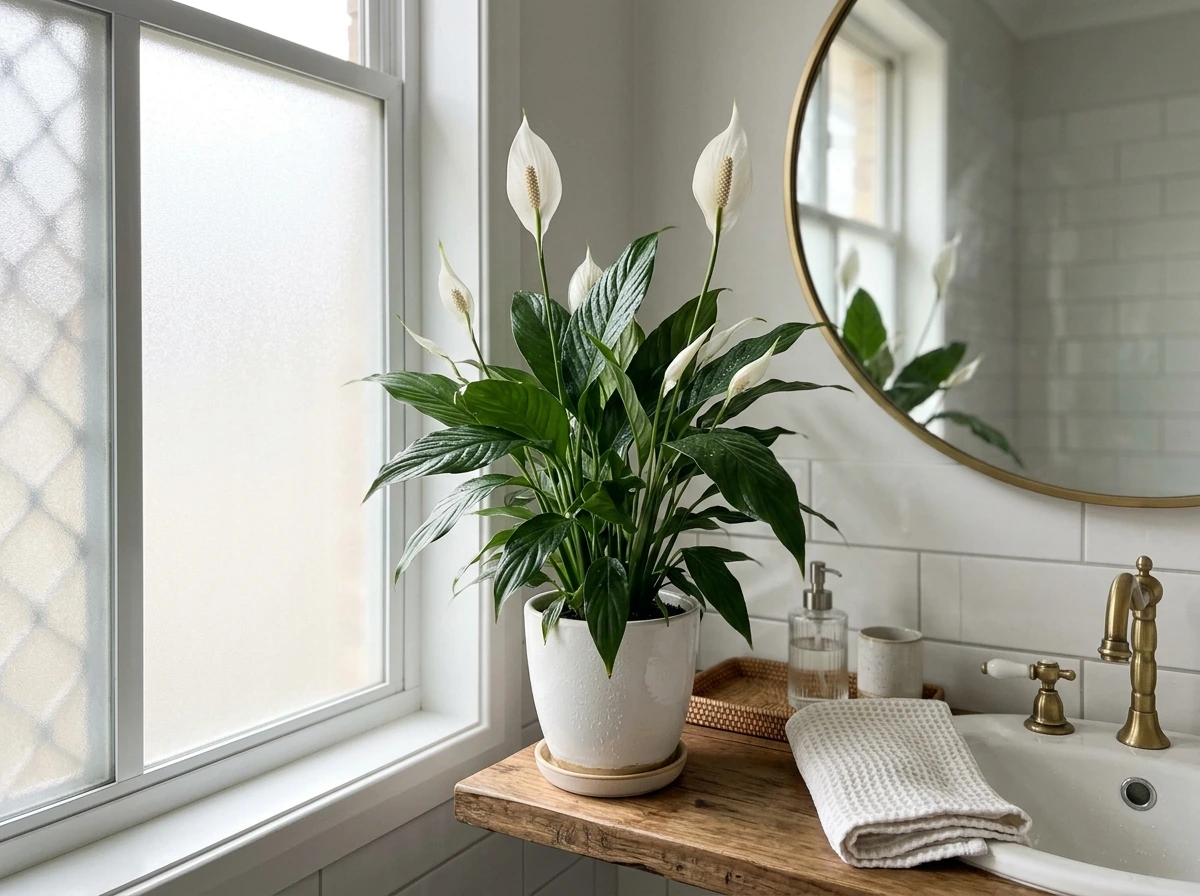
Can Peace Lily Grow in a Bathroom? Yes, If You Do This
Yes, a peace lily can thrive in a bathroom with bright indirect light, proper drainage, and careful watering to avoid ov